I got the chance to take a short look at Havana, while waiting for a ride out of Cuba, and it was an intriguing sojourn.
Cuba’s Caribbean location and colonial history has always scored it a place on my bucket list, but its post revolution drama and current autocracy brought conflicting emotions about whether it should stay on that list or not. An opportunity arose to score a sail back across the Atlantic to France, so I did not dwell or dawdle. And jumped at it.
After all, it does have some of the best fortifications, and cars, in the Americas.
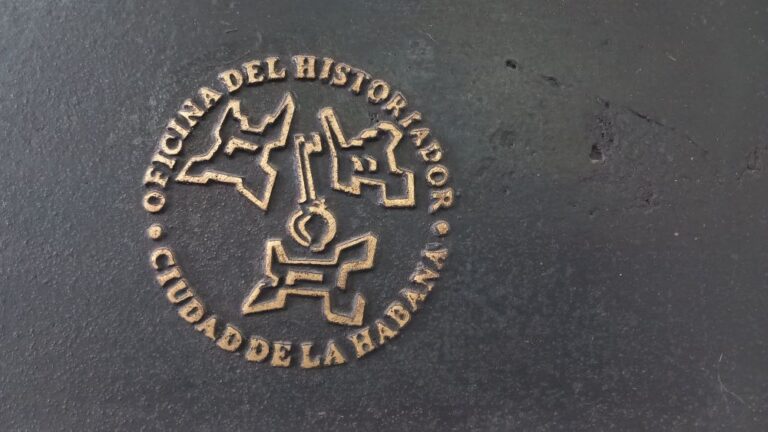
The modern city crest of Havana showing the importance of fortifications through the city's history. These are the plans for Real, Punta and Morro forts.
The tedious and comical process of disembarking at the airport, collecting baggage and clearing Customs started waving some red flags. A few days in a ridiculously cheap but gloriously iconic hotel–Hemingway wrote a book there, so they say–reinforced those early observations; Cuba is pretty close to a failed state.
Regular power failures, and intermittent or non-functioning everything else–think lifts, toilets, aircon (it was 35 degrees), electricity and internet, made it quite an off-the-beaten track kind of adventure. You also have to think carefully about what you ate, and how many times it may have defrosted and re-froze recently.
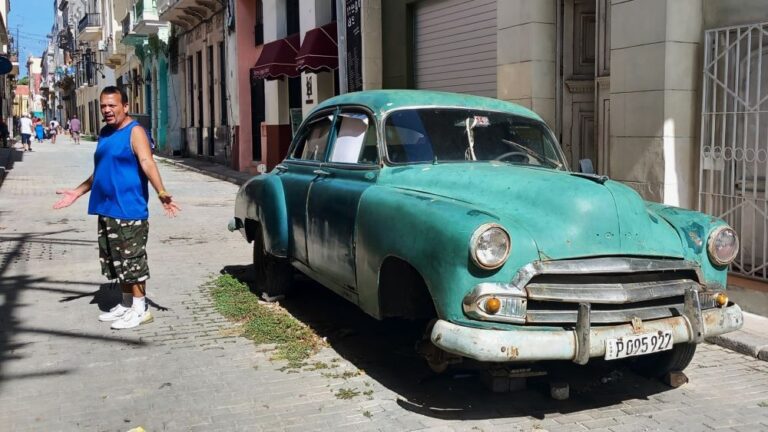
Even wrecks like this will be renewed
But most tragic was the dejected demeanour of the people. They had lost hope. All hope. There was a brief period last year when plans had been agreed with the US to allow cruise ship visits, with Habaneros excited about days where two or three of these disgorged thousands of dollar-spending and tip-showering Americans. But Donald Trump of course killed that. Now there was nothing for the locals to look forward to. You felt a suspicion of revolution below the surface from chatting to taxi drivers, tour guides and barmaids.
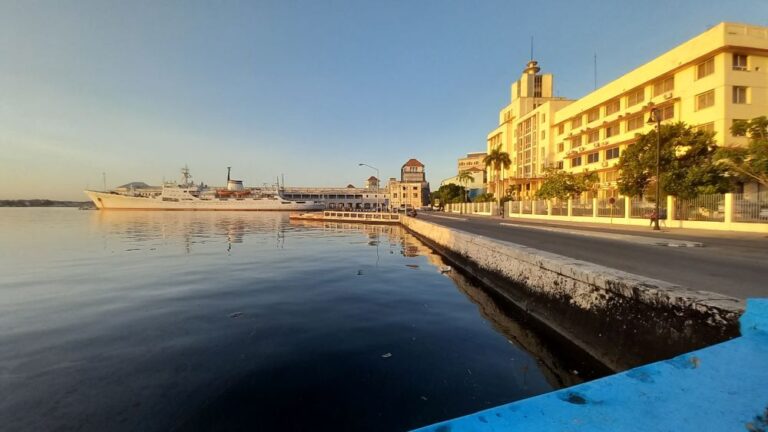
The new Havana dock where the cruise liners should stand. Instead, they got an ancient Russian survey vessel.
Which would be ironic for the elite in power. But control and suppression is just too strong. Apparently undercover police are everywhere, and no dissent is tolerated. Very sad, because the Cubans–from my short view–are a fun-loving, spirited people. And really deserve better.
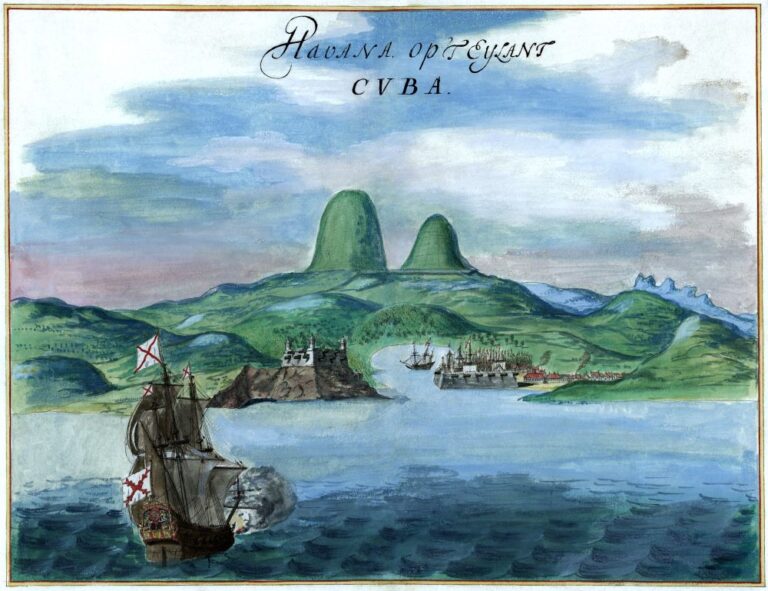
Early Havana from 1639, showing two of the fortresses guarding the harbour, Punta and Morro, by Dutch artist Vingboons.
Colombus sighted Cuba on his first voyage in 1492, convinced it was part of the East Indies. Some years passed before the advantages of Havana’s superb harbour were recognised by the Spanish, and in the sixteenth century it evolved from a careening cove to a township then a city.
Indigenous Cubans introduced the Spanish conquistadors to tobacco–and hence Cuban cigars– and it was this crop, and sugar, that began to be grown widely across the fertile, tropical landscape. Africa slaves were brought in to work the plantations, and the young colony boomed.
The wider Spanish empire in the Americas generated a great deal of products for shipping back across the Atlantic to Spain–including huge amounts of silver from Peru. This shipping and even Havana itself consequently became targets for rival European powers and for corsairs, buccaneers and pirates. One attack by French pirates burnt Havana to the ground in 1555.
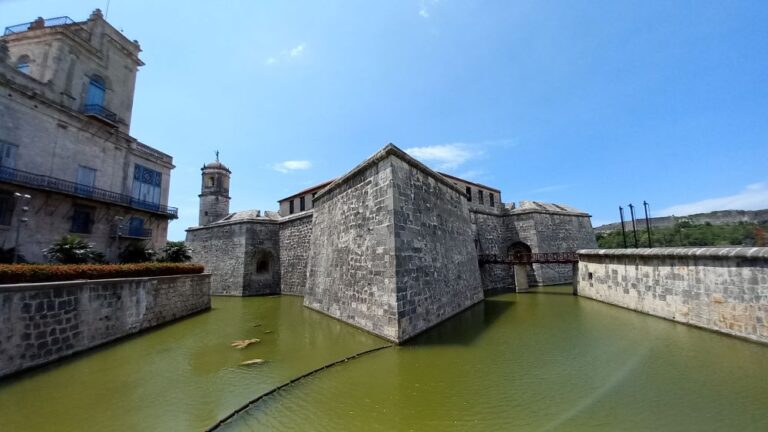
Even today, Real Fuerza remains full moated and a time warp from the 1500's
To deter such attacks, from 1566, all Caribbean shipping was to meet in Havana and be escorted across the Atlantic by the galleons of the armada, or navy. These were the famous annual flota Treasure Fleets. This made Havana even more of a target. Fortifications started soon after with the Real Fuerza (Royal Force) fort (from 1577, and the oldest surviving colonial fortification in the Americas), dominating the inner exit of the narrow channel. This handsome, old-fashioned bastion fort sits right in the middle of the old town today, with a decent museum, and entry for less than a buck.
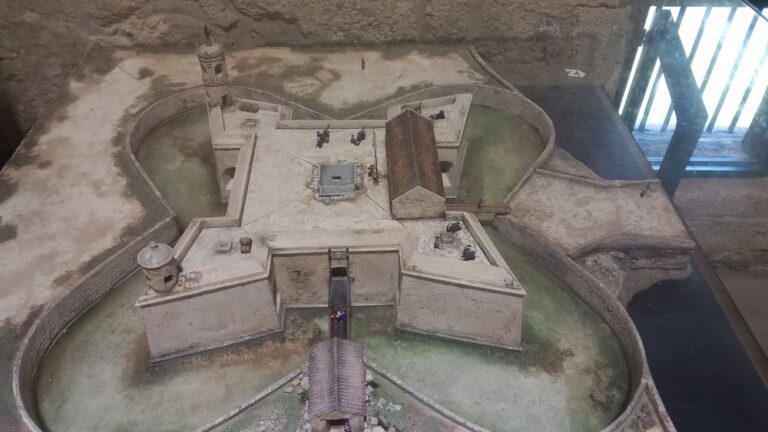
A scale model of the petite fort, from the museum inside todays Real Fuerza
Havana harbour was accessed through a narrow channel just a few hundred metres wide and fifteen hundred metres long, making it very defensible with some decent forts, but Real Fuerza was clearly not enough, and it lay too far inside the harbour.
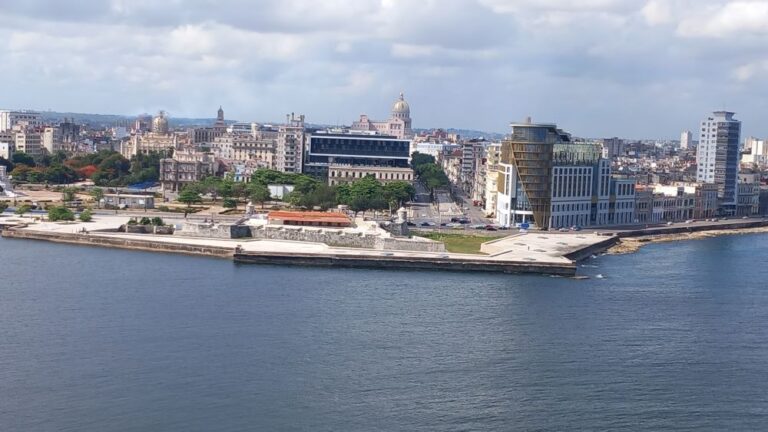
Low and trapezoid, Punta fort guarded one of the headlands of Havana
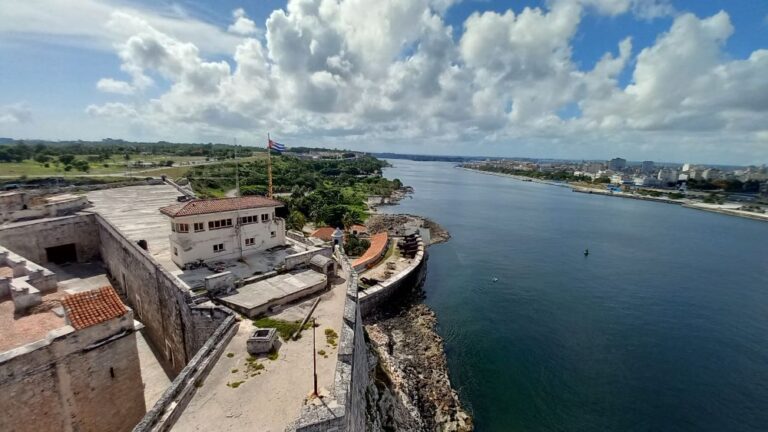
To prevent ships entering the channel at all, two forts were constructed at the heads: Punta Fort (started 1590) on the western headland and the Morro Fort on the eastern. The first was a low rectangular bastioned fort, while the later was a substantial and powerful fortress towering above the channel.
The Morro fortress looking inside Havana harbour, with the bulk of La Cabana behind
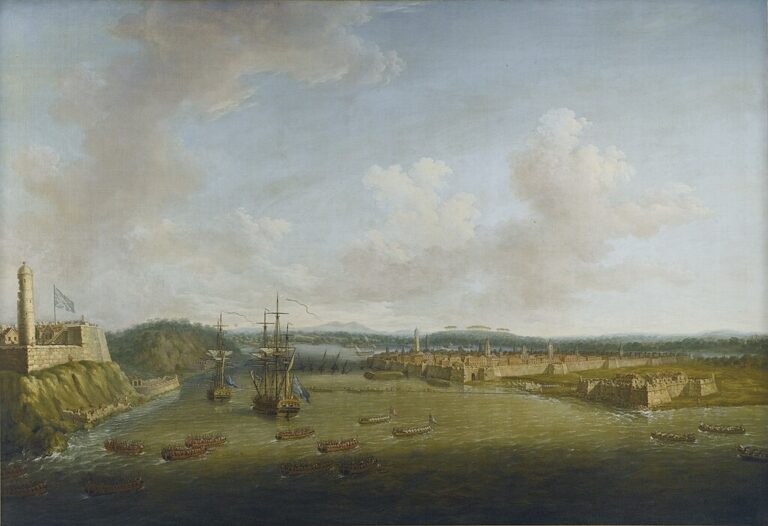
Attacks and raids on Havana continued, and in 1762, the British landed troops out of range of Morro fort, took the hill that dominated it to the south (where the sprawling La Cabana fortress would later be built), emplaced batteries there and subjected the Morro fortress to nearly three months of bombardment, blasting up to 500 cannonballs a day into the unfortunate defences.
A painting by Serres depicting the British capture of Morro fort in 1762. Punta fort and the walled city of Havana can also be seen.
When Morro surrendered, the British opened up on Punta across the channel and then the walled city of Havana itself. In August, the Spanish governor surrendered and the British took control. Another British force took Manilla in the East Indies, robbing Spain of her two most profitable colonial capitals. In the negotiations for peace, Britian got Spanish Florida in return for handing Havana and Manilla back.
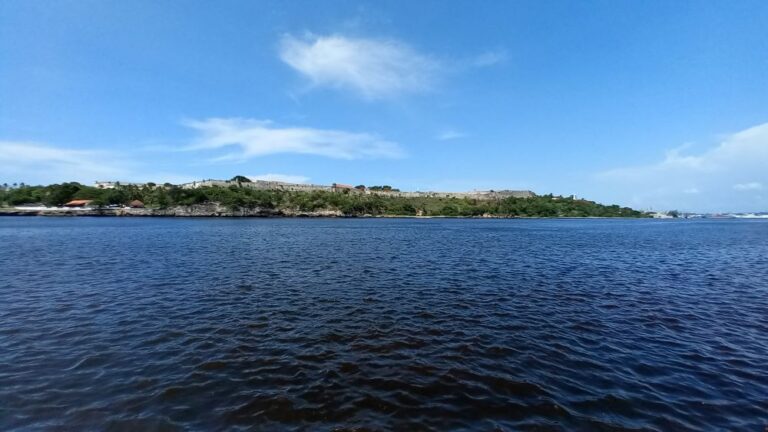
The long ramparts of La Cabana dominate the entry to Havana harbour
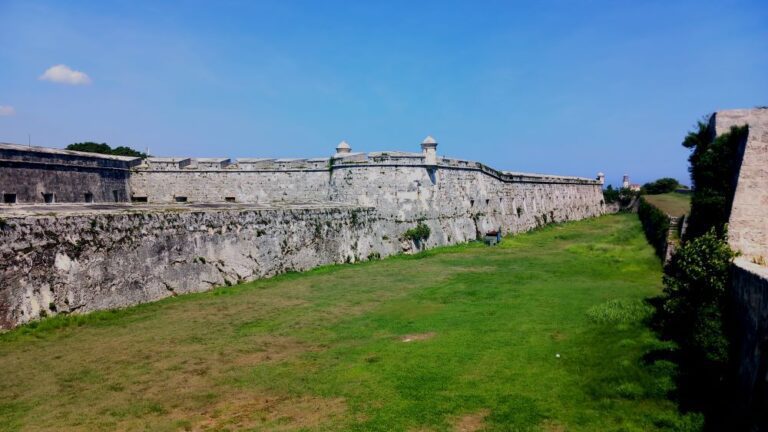
A section of the land defences of La Cabana
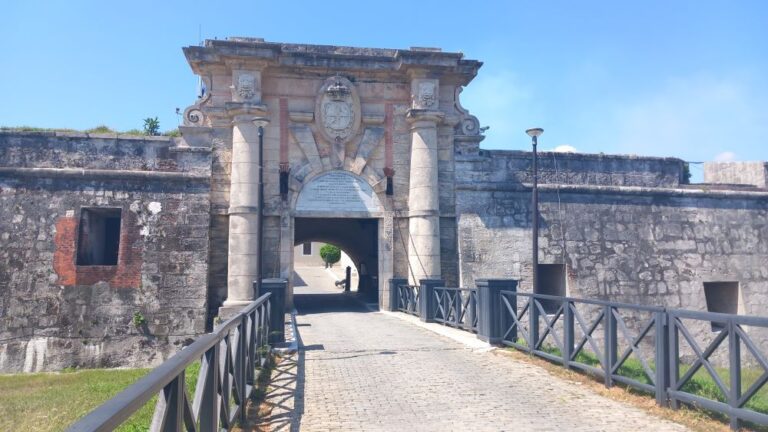
Main gate of San Carlos de La Cabana
The Spanish immediately started work on building impregnable defences at La Cabana hill, so no-one could repeat the British strategy. When completed in 1774, his impressive fortress–third largest in the Americas, and part of the Old Havana World Heritage Site–dominated the old city, the other forts and the harbour. It was never seriously challenged.
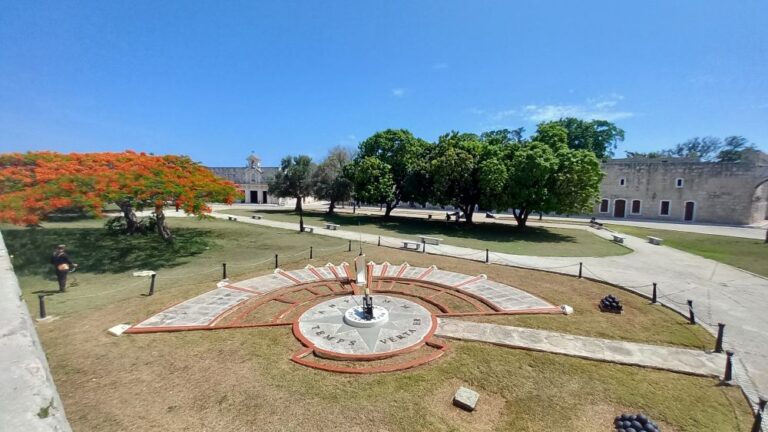
Sundial in the Plaza de Armas of La Habana
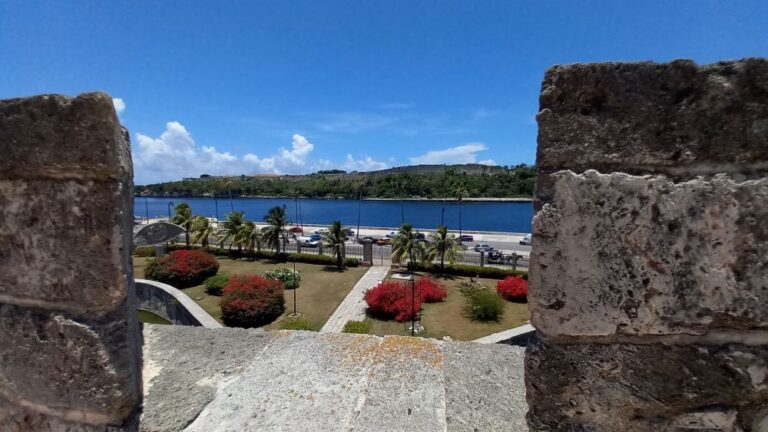
The long stretch of La Cabana dominates the skyline across the channel from Real Fuerza in the Old City
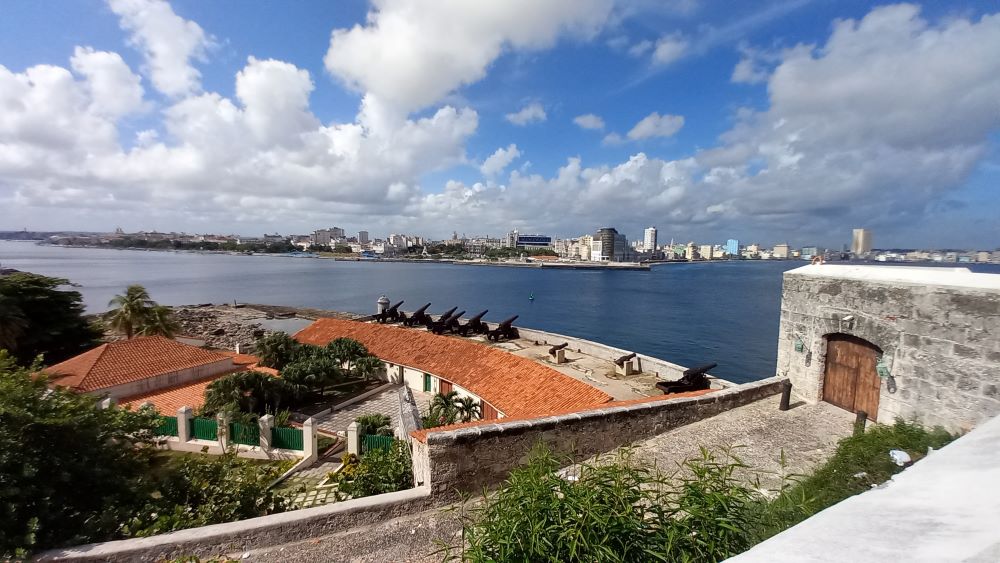
Today, despite the economic difficulties of Cuba, it is comforting that the four fortifications of Havana; Real Fuerza, Punta, Morro and La Cabana forts are maintained and all open for inspection. A wander through these forts takes you back centuries to the time of buccaneers and pieces of eight; fleets of silver and galleons of old; imposing coral-stone bastions and great bronze cannons…ah, Havana.
If only they could change Governors now.
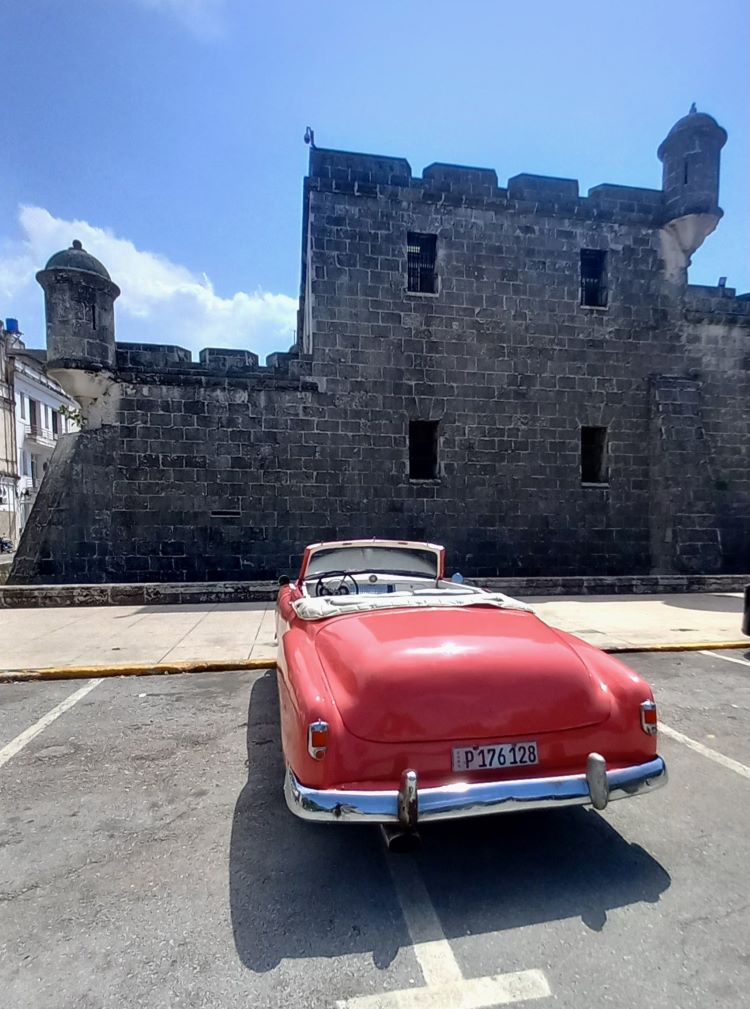
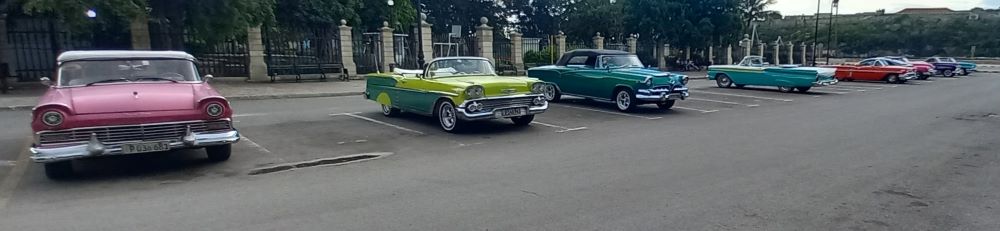
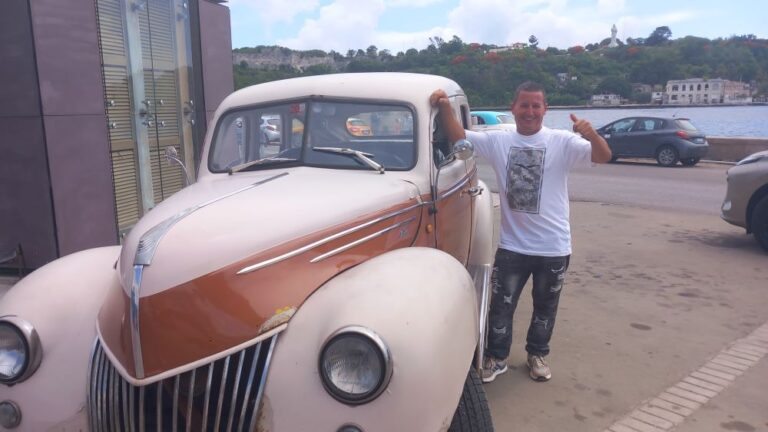
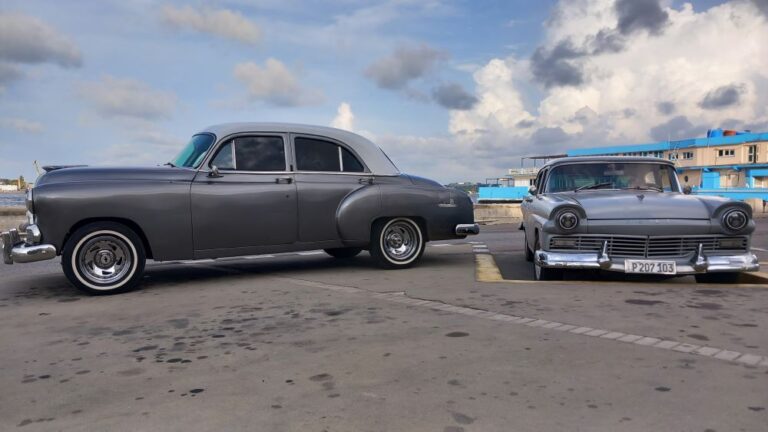
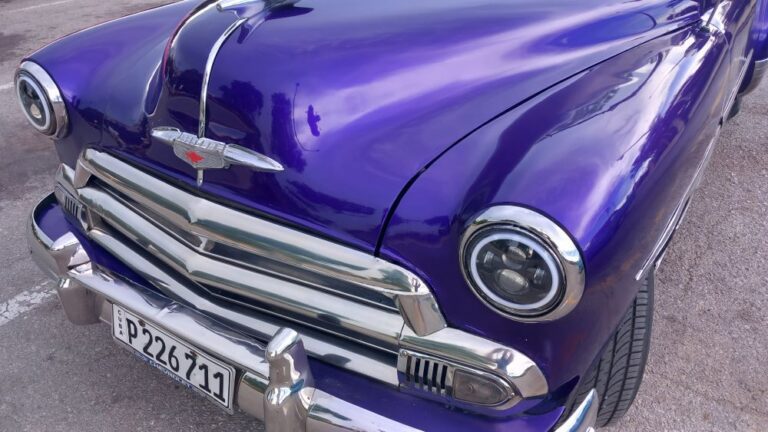
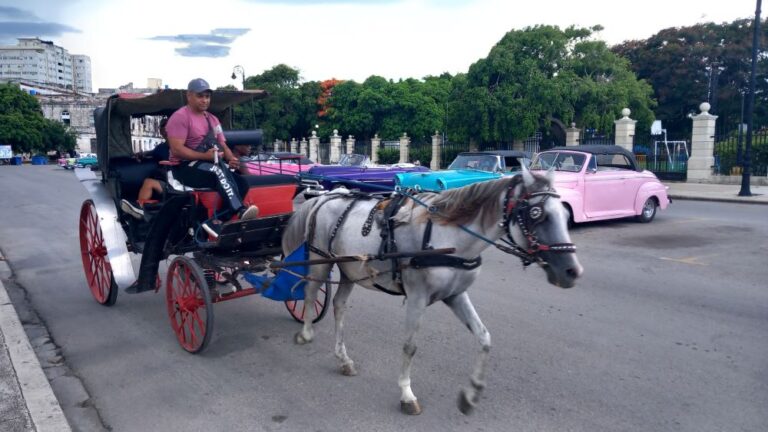
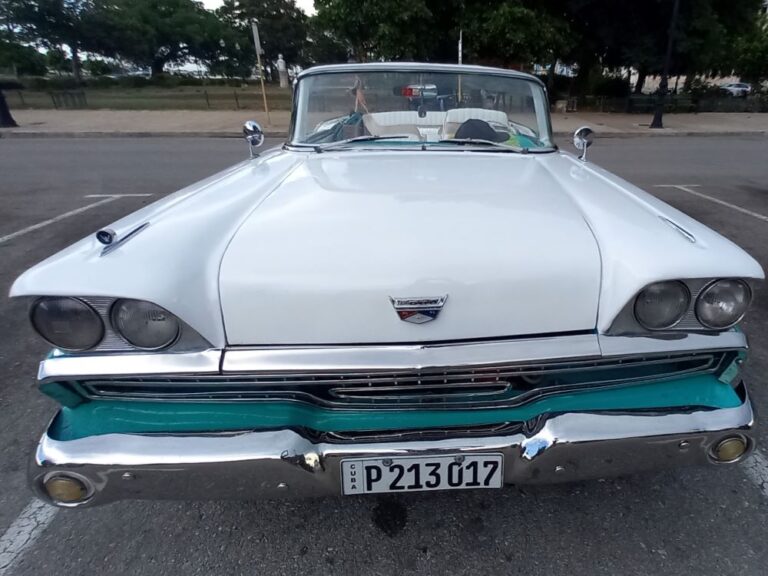
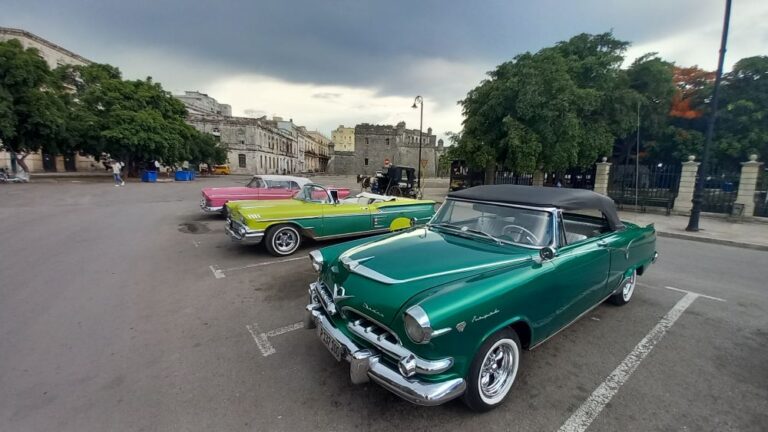
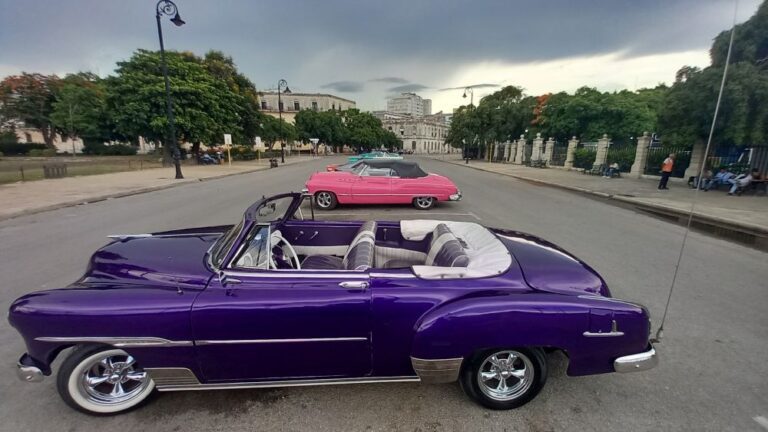
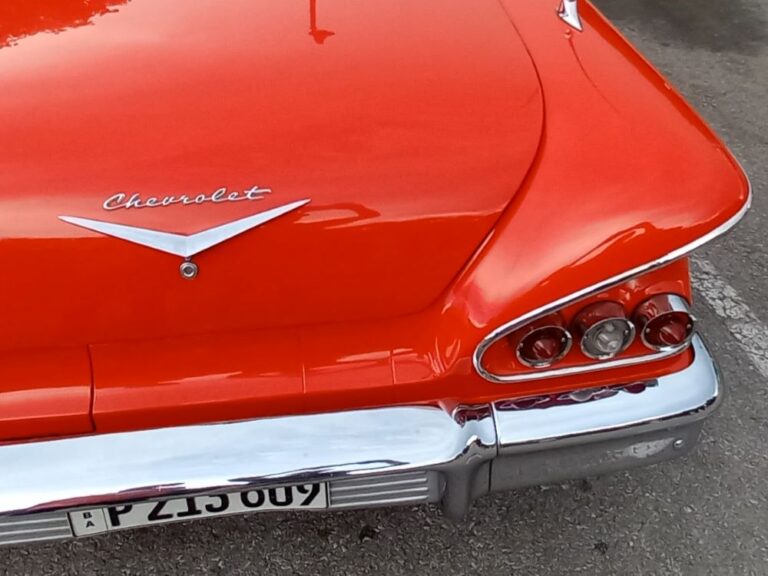
And then of course, there are the cars…
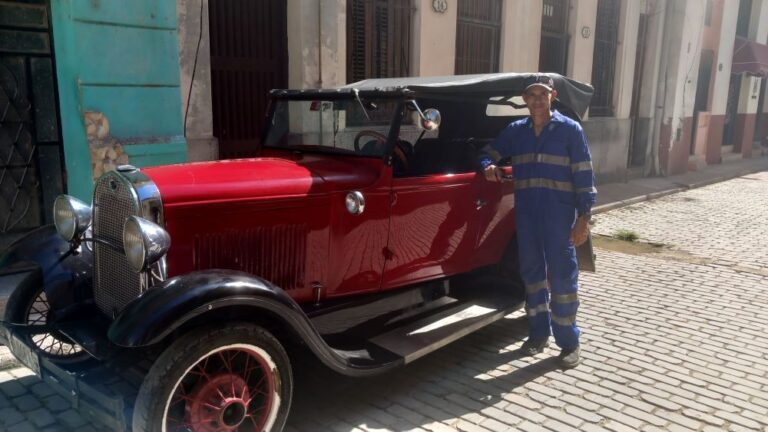
My driver and mate, Oslain with his 1939 Ford.
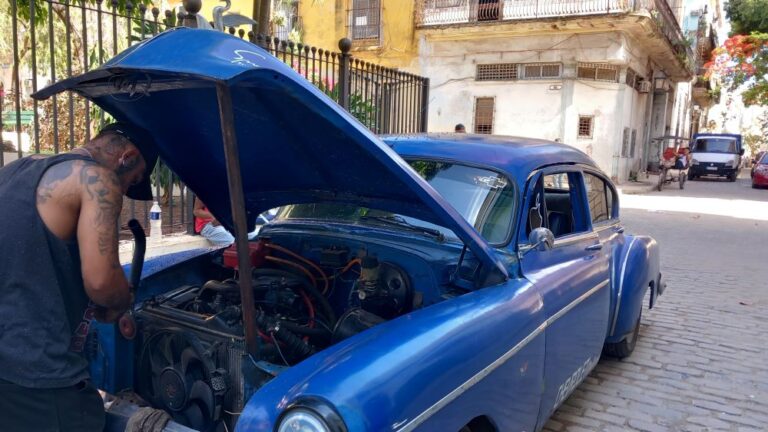
Ongoing maintenance is never easy, and of course, spare parts are non-existent